





Conversations around skilled trades often focus on workforce shortages and job demand. While those challenges are real, they overlook the most important starting point: education and technical training. Skilled trades do not begin in the field or on the factory floor. They begin in classrooms, labs, and hands-on learning environments where students develop technical knowledge, confidence, and problem-solving skills.
Career and Technical Education (CTE), supported by STEM-based learning, provides structured pathways into skilled trades. These programs emphasize applied learning, industry-aligned technology, and progressive skill development, preparing students not only for employment but for long-term career growth.

Skilled Trades are Built Through Structured Learning
Modern skilled trades are highly technical and increasingly technology-driven. Students must understand systems, read schematics, apply math and science concepts, and troubleshoot complex problems. As a result, skilled trade education relies on intentional, hands-on training environments that reflect real-world expectations.
Effective CTE programs include:
- Technical coursework aligned to industry standards
- Lab-based instruction using professional-grade training systems
- Safety training and compliance practices
- Applied diagnostics and problem-solving
This structure ensures students move beyond theory and into application, building competence through experience.
STEM Concepts are Embedded in Skilled Trade Education
STEM learning is not separate from skilled trades; it is embedded within them. The difference is that STEM concepts are taught through real-world application, making learning relevant and tangible.
For example:
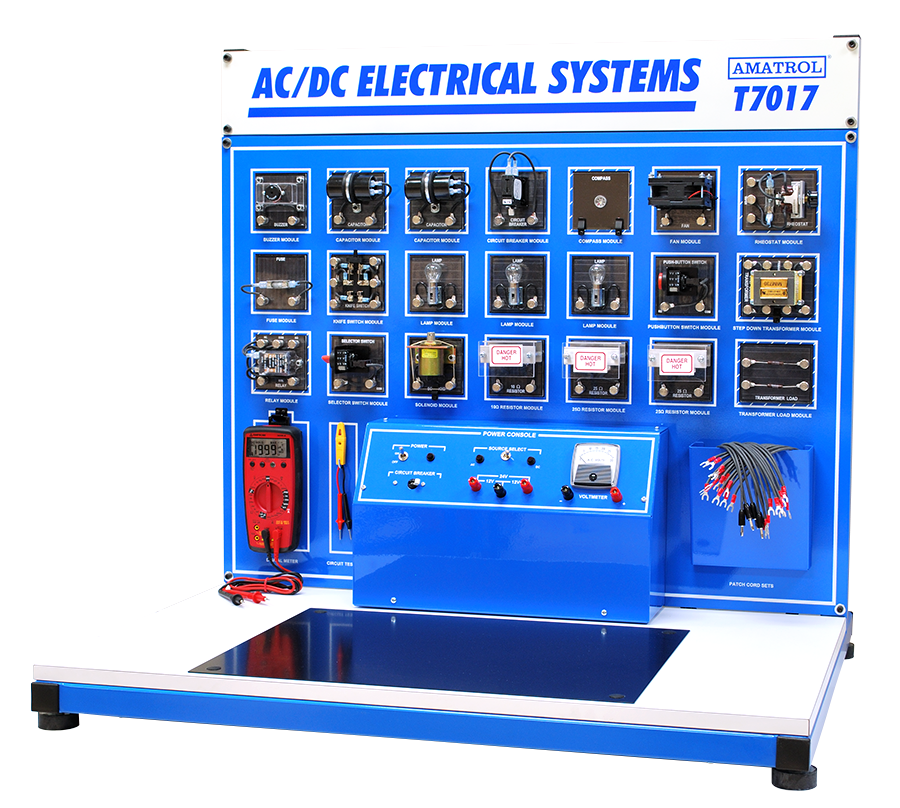
- Electrical training programs apply physics, circuitry, and mathematical calculations using hands-on systems from Amatrol and Matrix, allowing students to safely explore electrical concepts while building foundational technical skills.
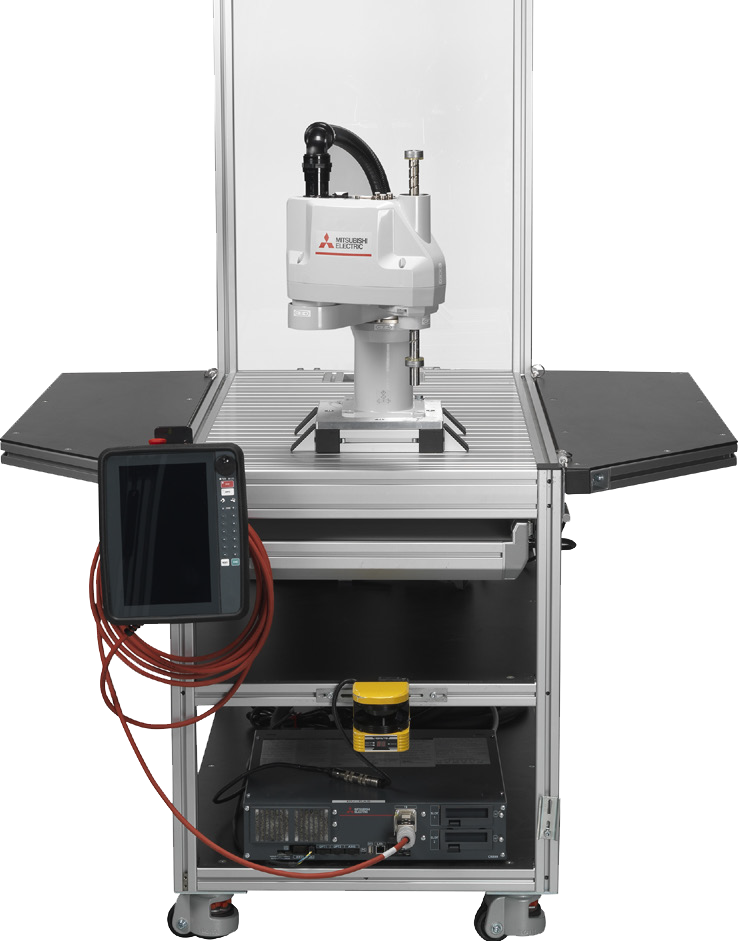
- Advanced manufacturing and mechatronics programs integrate automation, robotics, and system integration through equipment from Mitsubishi Electric, helping students understand how mechanical, electrical, and digital systems work together.

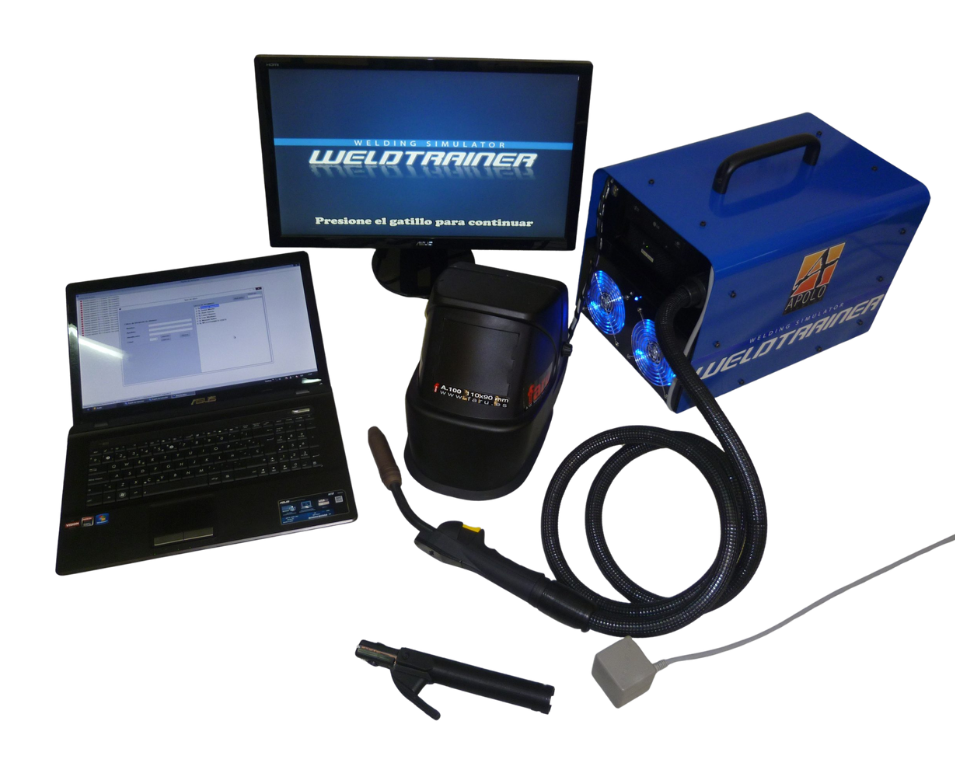
- Welding and fabrication programs combine metallurgy, precision, and structural principles using training solutions from Apolo Studios, giving students exposure to industry-aligned welding practices in an instructional setting.
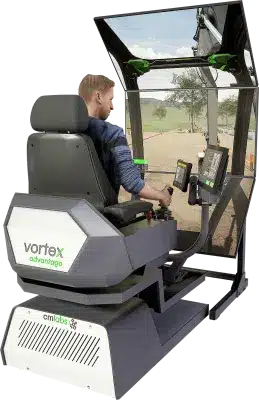
- Construction and heavy equipment training programs introduce learners to equipment operation, mechanics, and safety using CM Labs and Simlog, while TecQuipment supports the understanding of engineering fundamentals and physical systems used across construction and infrastructure pathways.

By teaching STEM concepts through hands-on, technical training, students gain stronger comprehension, higher engagement, and skills that directly translate to the workplace.
Technical Training Designed for Career Readiness
One of the defining strengths of skilled trade education is its focus on career readiness through progressive skill development. Programs are often designed to align with industry needs, certifications, and evolving technologies.
Students typically progress through:
- Foundational safety and tool operation
- Intermediate system knowledge and diagnostics
- Advanced applications such as automation, robotics, or digital controls
- Industry-recognized credentials or dual-credit opportunities
This approach ensures students graduate with both technical competence and confidence in their abilities.
Learning Environments That Reflect Real-World Applications

High-quality skilled trade education depends on learning environments that mirror real workplaces. Modern labs, makerspaces, and simulation-based training spaces allow students to practice skills using the same types of tools and systems found in industry.
These environments support:
- Project-based and problem-based learning
- Collaboration and communication skills
- Cross-disciplinary thinking
- Troubleshooting and continuous improvement
When students learn in realistic environments, they develop adaptability, critical thinking, and technical skills.
Skilled Trades as a Lifelong Learning Pathway
Skilled trade education is not a one-time destination; it is a pathway that evolves with technology and industry. Many students continue into advanced certifications, associate degrees, or specialized training. Others return later in their careers to upskill or transition into new roles.
By framing skilled trades as flexible, lifelong learning pathways, educators help students see technical education as an investment that grows with them over time.
Supporting Educators With the Right Tools and Guidance
At Buckeye Educational Systems, we believe skilled trade education is most effective when educators are supported with the right instructional tools, learning environments, and guidance. Whether the focus is on electrical systems, advanced manufacturing, welding, or construction technology, the goal remains the same: to create meaningful, hands-on learning experiences aligned with real-world expectations.
When education leads the conversation, skilled trades thrive.
What’s Next?
Whether you are launching a new skilled trades program or enhancing an existing pathway, having the right educational tools makes all the difference. Explore solutions designed to support hands-on technical training, or connect with the Buckeye Educational Systems team to discuss how to build engaging, industry-aligned learning environments for your students!