





STEM (Science, Technology, Engineering, and Mathematics) is often associated with complex formulas, advanced technology, and rigorous coursework. While these elements are certainly part of STEM education, the heart of STEM is something much simpler: curiosity and creativity.
When students are engaged and having fun, STEM becomes less about memorizing concepts and more about exploring, building, solving, and discovering. From elementary classrooms to advanced technical programs, making STEM enjoyable is one of the most effective ways to inspire students to pursue engineering and technology pathways.
So how can educators make STEM both meaningful and exciting across all levels of education?
Start with Curiosity in Early Grades
Young students are naturally curious. They love to ask questions, take things apart, and experiment with how the world works. STEM learning in elementary and middle school should lean into that curiosity.

Instead of focusing only on theory, early STEM experiences should encourage exploration:
- Building simple machines with everyday materials
- Experimenting with basic robotics or coding games
- Designing structures and testing their strength
- Solving puzzles and engineering challenges in teams
These activities transform STEM from a subject into an experience. When students are allowed to test ideas, make mistakes, and try again, they begin developing the problem-solving mindset that is foundational to engineering and innovation.
Most importantly, early STEM experiences help students realize something powerful: STEM is something they can do!
Hands-On Learning Keeps Students Engaged
One of the most effective ways to make STEM fun is to move beyond traditional lecture-based instruction and embrace hands-on learning.
Engineering and technology concepts come to life when students are able to interact with them directly. Whether they are programming a robot, designing a 3D model, or testing a prototype, hands-on learning helps students connect abstract ideas with real outcomes.
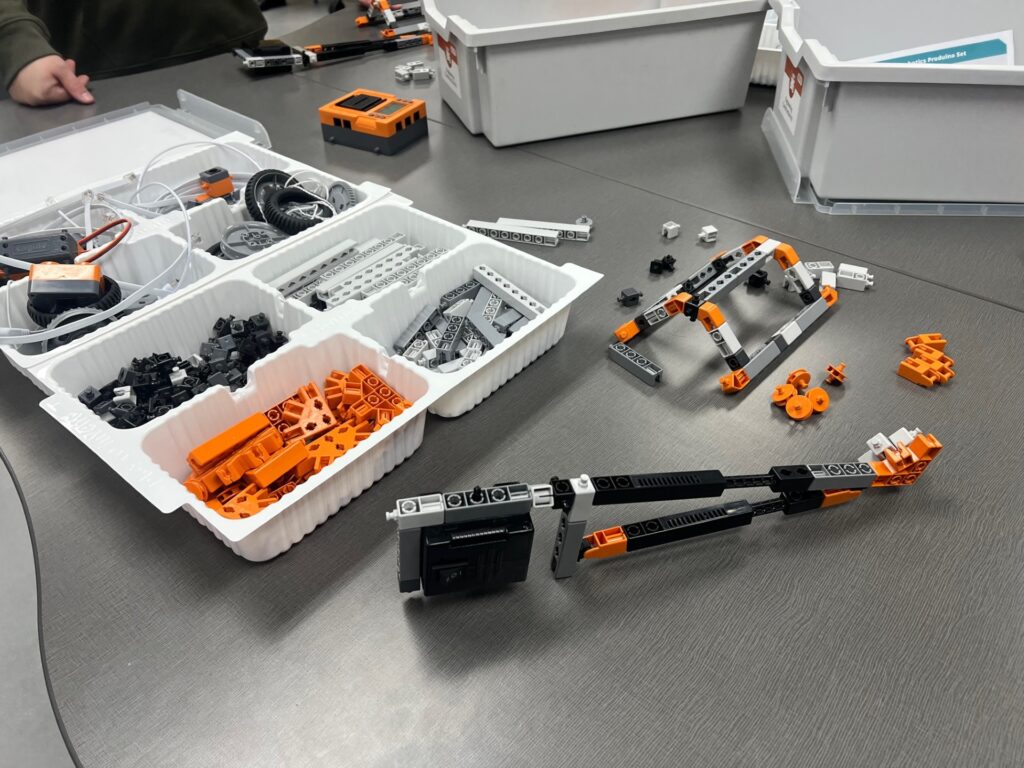
Hands-on activities can include:
- Robotics competitions or challenges
- Drone programming and flight testing
- 3D printing design projects
- Circuit building and electronics labs
- Automation and manufacturing simulations

These types of projects encourage collaboration, creativity, and experimentation. Students are no longer passive learners; they become engineers, designers, and problem-solvers.
Real World Connections Make STEM Meaningful
Students are more engaged when they understand why their learning matters.
Connecting STEM lessons to real careers and real problems helps students see how engineering and technology influence everyday life. From designing safer vehicles to developing renewable energy solutions, STEM careers impact nearly every industry.
Educators can make these connections by:
- Introducing industry based challenges or case studies
- Partnering with local manufacturers or technology companies
- Inviting guest speakers from engineering and technology careers
- Organizing facility tours or career exploration days
When students see professionals applying STEM skills in the workplace, classroom learning suddenly feels more relevant and exciting.
Creativity Belongs in STEM
STEM is sometimes viewed as purely technical, but creativity is a major part of innovation.
Engineering is fundamentally about designing solutions to problems, and that process requires imagination and creative thinking. Encouraging students to design, prototype, and improve their ideas helps them see that STEM is not only about finding the correct answer. It is also about developing new ideas and better solutions.
Creative STEM activities might include:
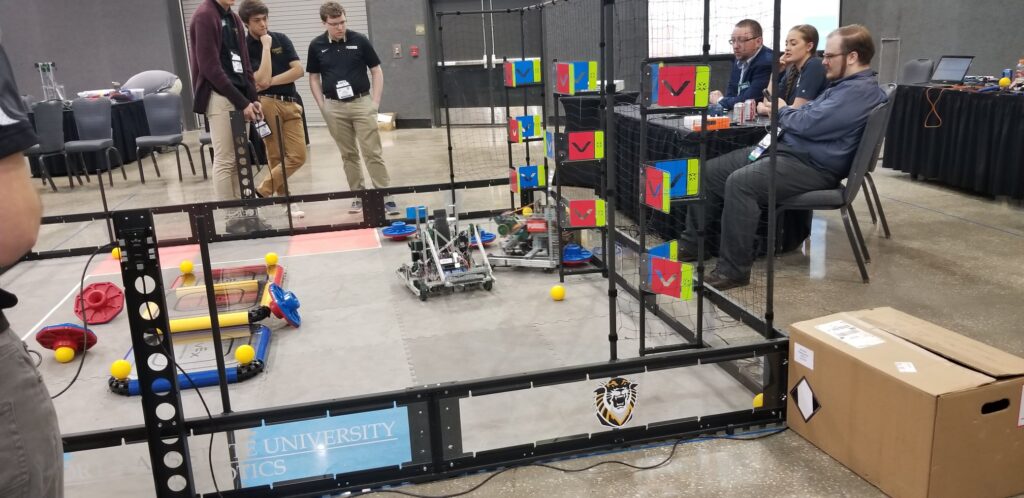
- Designing products that solve everyday challenges
- Developing new robotics tools or attachments
- Creating sustainable energy solutions
- Combining art and engineering through design projects

These projects help students understand that STEM fields encourage creativity just as much as technical skill.
Building STEM Pathways for Future Careers
As students progress into high school and postsecondary programs, STEM learning becomes even more valuable when it connects to career pathways.
Engineering and advanced manufacturing programs often introduce students to technologies such as automation, robotics, digital design, and precision manufacturing. When students gain hands on experience with these tools, they begin to see clear opportunities for their future.
STEM pathways also help students develop skills that employers value across many industries, including:
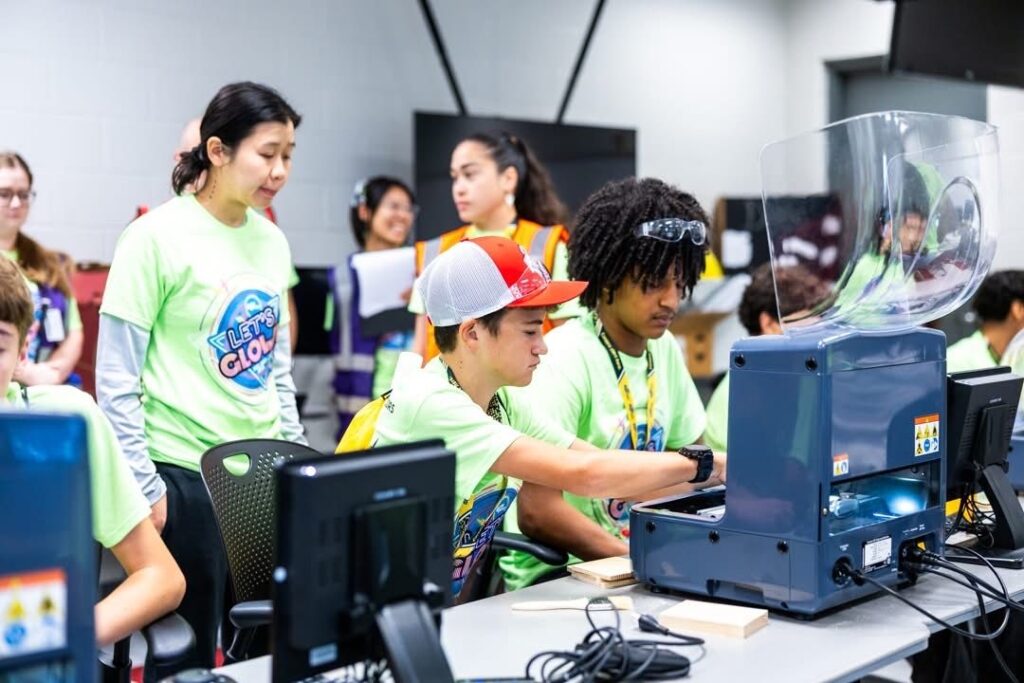

These skills prepare students not only for STEM careers, but also for a rapidly evolving workforce.
The Power of Engagement
Making STEM fun is not about turning learning into entertainment. It is about creating meaningful engagement.
When students are engaged, they ask more questions, test new ideas, and challenge themselves to solve problems. They begin to view STEM not as a difficult subject to get through, but as an exciting field full of possibilities.
By creating environments where students can experiment, collaborate, and explore real world challenges, educators can spark the curiosity that leads to lifelong learning.
Inspiring the Next Generation of Innovators
STEM education plays a critical role in preparing students for the future, but the journey begins with making learning enjoyable and meaningful.
When classrooms become places where students can build, test, design, and imagine, STEM becomes more than a subject. It becomes a gateway to innovation, creativity, and opportunity.
And that is where the next generation of engineers, inventors, and problem solvers begins.
If your school or program is exploring ways to strengthen Engineering or STEM pathways, our team at Buckeye Educational Systems works with educators to create engaging, hands on learning environments that support real world skill development and student engagement.