





How Technician Education Must Evolve for K–12 and Postsecondary Pathways
The automotive industry has changed more in the last two decades than it did in the previous century. Vehicles are no longer purely mechanical. Today’s cars and trucks are complex systems that combine mechanics, electronics, software, sensors, and high-voltage technology.
For K–12 and postsecondary education, this evolution presents both a challenge and an opportunity. Automotive programs must move beyond traditional repair models and intentionally align instruction with the skills today’s workforce demands.
As our Education Pathway of the Month, Automotive highlights exactly how modern Career and Technical Education bridges classroom learning with real-world careers.
The Traditional Automotive Technician
Historically, automotive education focused on mechanical repair and foundational shop skills.
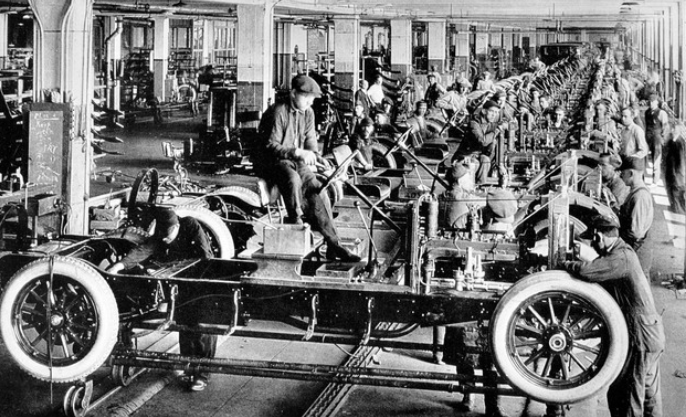
What Automotive Education Used to Emphasize
- Internal combustion engines and drivetrain systems
- Brakes, suspension, steering, and exhaust
- Manual diagnostics based on observation and experience
- Tool use, safety basics, and routine maintenance

In many cases, students entered the workforce with limited formal training, gaining most of their expertise through hands-on experience and time in the shop.
Workforce Expectations Then
- Strong mechanical aptitude
- Physical problem-solving skills
- Comfort with manual labor
- Learning primarily through experience
While these skills are still important, they are no longer enough on their own.
The Modern Automotive Technician
Today’s vehicles are best described as computers on wheels. Technicians must understand how systems communicate, interpret data, and interact with advanced technology.
Skills Today’s Technicians Must Have
Modern automotive careers require:
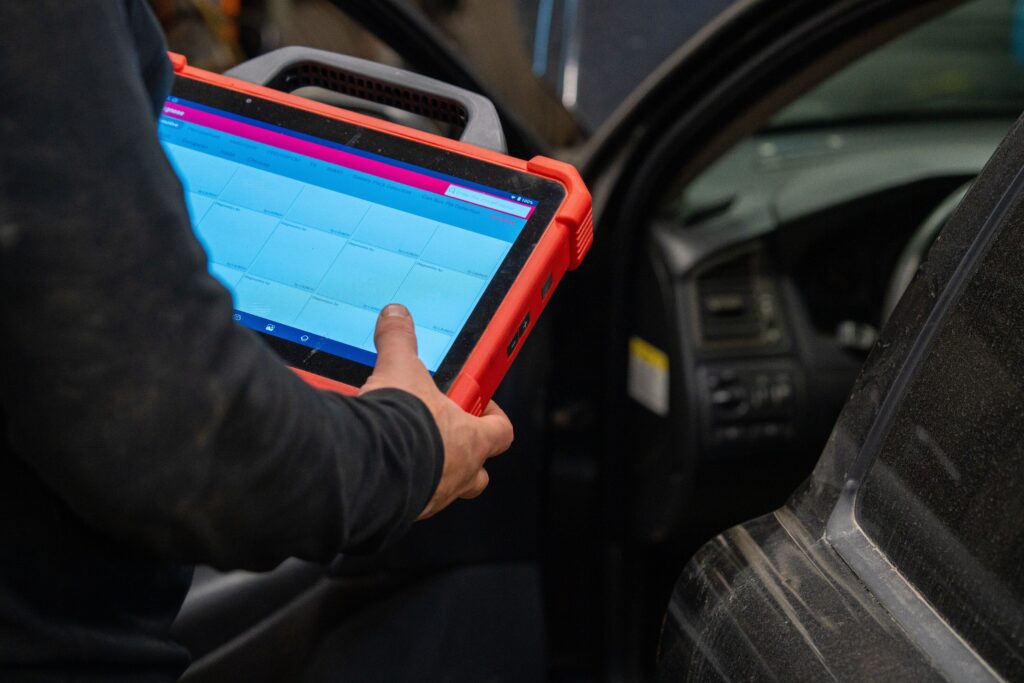
- Digital diagnostics and scan tool interpretation
- Electrical and electronic systems troubleshooting
- Advanced Driver Assistance Systems (ADAS) calibration
- Hybrid and electric vehicle (EV) systems knowledge
- High-voltage safety awareness
- Ongoing upskilling as technology evolves

The modern technician no longer just fixes parts. They diagnose systems, analyze data, and ensure safety-critical technology functions properly.
What This Means for K–12 Automotive Education
At the K–12 level, automotive pathways play a critical role in exposure and engagement. It’s important that education builds awareness, curiousity, and foundations.
Key Focus Areas for K–12 Programs
- Introducing students to modern vehicle technology, not just engines
- Connecting automotive learning to STEM concepts like electronics, physics, and computer systems
- Reinforcing safety, teamwork, and problem-solving skills
- Expanding perceptions of automotive careers beyond outdated stereotypes
Early exposure helps students understand that automotive careers are technical, relevant, and future-focused, making them more likely to pursue postsecondary training or certifications.
What This Means for Postsecondary Automotive Programs
At the postsecondary level, the focus shifts to depth, specialization, and workforce readiness.
Key Focus Areas for Postsecondary Programs

- Hands-on experience with modern diagnostic tools
- Training aligned with OEM, industry, and certification standards
- EV and hybrid system diagnostics
- ADAS calibration and advanced electrical troubleshooting
- Strong safety practices for high-voltage systems
Programs that mirror real-world service environments better prepare students to transition directly into dealerships, fleets, and advanced service roles.
Example 1: EV Diagnostics Labs
Preparing Students for High-Voltage Vehicles
Electric and hybrid vehicles are becoming standard across the automotive industry.
In the classroom or lab, students can:
- Identify EV and hybrid components
- Learn proper high-voltage safety protocols
- Analyze EV fault codes and diagnostic data
- Compare traditional and electric drivetrains
These labs reinforce safety, precision, and confidence; skills employers expect from entry-level EV technicians.
Example 2: ADAS Case Studies
Teaching Safety-Critical Systems
ADAS technology plays a direct role in vehicle safety and liability.

Through real-world case studies, students learn:
- How cameras, radar, and sensors work together
- Why recalibration is required after repairs or collisions
- How misalignment affects system performance
- The technician’s responsibility in ensuring driver safety
This approach shifts learning from “part replacement” to systems-level thinking, aligning closely with modern service expectations.
Example 3: Automotive Career Profiles
Expanding Student Awareness of Career Pathways
One of the most impactful tools in automotive education is simply showing students what careers actually exist today.
Students research and explore roles such as:
- EV Technician
- ADAS Calibration Specialist
- Automotive Diagnostic Technician
- Fleet Maintenance Technician
- OEM Field Service Engineer
This activity helps students see automotive as a career pathway with options, advancement, and long-term stability.
Aligning Education with Workforce Needs
Why Pathway Continuity Matters
The automotive workforce faces a growing skills gap driven by:
- Rapid technology adoption
- Retirements across the technician workforce
- A shortage of candidates trained on modern systems
Strong K–12 and postsecondary alignment helps address this challenge by:
- Creating clear, connected pathways
- Reinforcing hands-on, applied learning
- Aligning instruction with industry expectations
- Supporting lifelong learning and credentialing
This pathway-based approach reflects the same principles many schools and institutions prioritize: relevance, employability, and real-world application.
Automotive as a Model Career Pathway
Automotive education today is about more than fixing vehicles. It’s about:

- Critical thinking
- Technology integration
- Safety and accountability
- Adaptability in a changing industry

When automotive programs evolve alongside the workforce, they empower students with skills that transfer across industries from advanced manufacturing to transportation and logistics.
By keeping instruction hands-on, technology-driven, and aligned with industry needs, educators can ensure automotive pathways remain both accessible and future-ready.
Looking Ahead
Automotive may be rooted in tradition, but its future is undeniably high-tech. Programs that embrace this shift allow students see what’s possible and help employers find the skilled technicians they need.
That’s the power of a well-aligned automotive education pathway.